



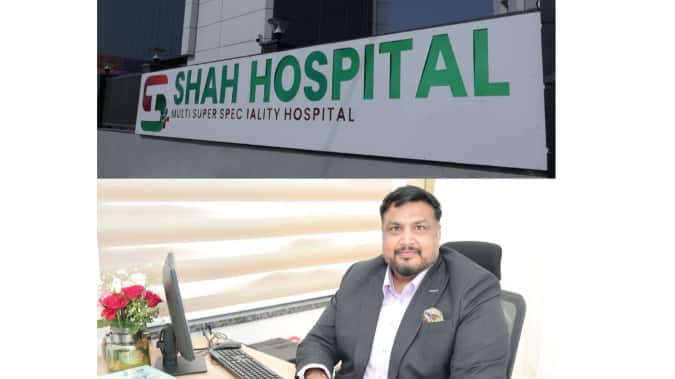
As healthcare systems expand in cities like Karnal, the focus is gradually shifting from basic infrastructure to the quality of critical care delivery. Medical experts say that while equipment is important, outcomes in intensive care units depend equally on experience, coordination, and response time.
In recent years, hospitals in Tier-2 cities have begun investing in organised ICU systems, advanced monitoring technologies, and trained nursing leadership. The aim is to build the capability to manage complex cases locally rather than transferring patients to larger cities.
At facilities such as Shah Hospital in Karnal, this approach is reflected in the emphasis on experienced ICU teams and structured clinical protocols. Many members of the ICU and nursing leadership bring over two decades of experience in handling high-acuity cases, including trauma and cardiac emergencies.
Healthcare professionals point out that continuity in ICU staffing and adherence to protocols can significantly influence patient recovery. The development of centres focused on critical care is increasingly seen as essential to ensure that patients can be treated within the city rather than being referred to Delhi, Chandigarh, or Mohali.
CEO Sumit Saini says the focus is on preparedness as much as infrastructure. “Critical care is not just about machines. It is about systems, training, and the ability to respond immediately. Our effort is to build a setup where serious and trauma cases can be managed locally with confidence,” he notes.
A key concern in the region has been the handling of time-sensitive emergencies. Delays caused by inter-city transfers can impact outcomes, particularly during the initial hours of treatment. Strengthening local critical care systems is increasingly being viewed as a necessary step toward addressing this gap.
Alongside emergency care, neonatal services are also gaining attention. The availability of Level-3 NICU facilities allows hospitals to manage high-risk newborn cases within the city. Doctors highlight that early stabilisation and continuous monitoring play a crucial role in improving neonatal outcomes.
At Shah Hospital, neonatal care has been developed as part of a broader critical care ecosystem, combining specialised teams with structured support systems. Experts note that family communication during such cases is also an important component of care.
Beyond hospital-based treatment, preventive healthcare initiatives are becoming part of the larger ecosystem. Programs such as Arogya Chaupal, conducted under the vision of Swasth Bharat, Viksit Bharat, are focusing on community-level awareness, early diagnosis, and basic health screening in rural areas.
Sumit Saini emphasises that accessibility must be addressed at multiple levels. “Healthcare is not only about what happens inside a hospital. Through panel integrations like Ayushman Bharat, ECHS, and private TPAs, as well as outreach programs, we are trying to make both access and affordability more practical for a wider population,” he says.
As healthcare in cities like Karnal continues to evolve, the emphasis is moving toward integrated systems that combine experienced teams, advanced infrastructure, and financial accessibility. Institutions like Shah Hospital reflect this shift, where the focus is not only on treating illness but also on building long-term confidence in local healthcare capabilities.